Interior or Exterior Painting Cost: Which Will Drain Your Budget Faster?
5 min read
When planning a painting project, one question almost always comes up: “Which costs more—interior or exterior painting?”
The quick answer: Exterior painting usually drains your budget faster.But the reasons why go far beyond square footage. Factors like paint chemistry, labor intensity, weather conditions, and surface preparation can dramatically change the painting cost—and sometimes, a complex interior can cost just as much as the exterior.
This guide breaks down everything you need to know about painting cost differences, what drives pricing, and how to plan your budget with no surprises.
Why Exterior Painting Typically Costs More
Exterior painting is built for survival. Walls face sun, rain, wind, and snow, so they need coatings designed to expand, contract, and repel moisture. That durability—and the labor to apply it correctly—makes exterior house painting more expensive than most interior projects.
Average Cost Comparison: Interior vs. Exterior Painting
Paint Chemistry and Longevity
Exterior paints aren’t just thicker versions of interior formulas. They’re engineered for protection—against UV radiation, temperature swings, and biological growth.
These coatings use:
- Flexible acrylic resins for expansion and contraction
- UV stabilizers to prevent color fading
- Mildewcides and fungicides to stop organic growth
Popular examples include Sherwin-Williams Duration®, Benjamin Moore Aura® Exterior, and Behr Premium Plus®. These coatings increase upfront painting cost but last years longer than standard-grade paints.
In contrast, interior paints like Benjamin Moore Regal Select® or Dunn-Edwards Spartazero® emphasize smooth finish, easy cleaning, and low odor. They enhance air quality but don’t require the same weather resistance.
Labor and Accessibility Costs Add Up
Labor is the largest part of any painting cost—often 60–70% of the total. And exterior painting multiplies that investment. Painters need ladders, scaffolding, or lifts to safely reach high façades. They must also adjust for temperature, wind, or rain delays.
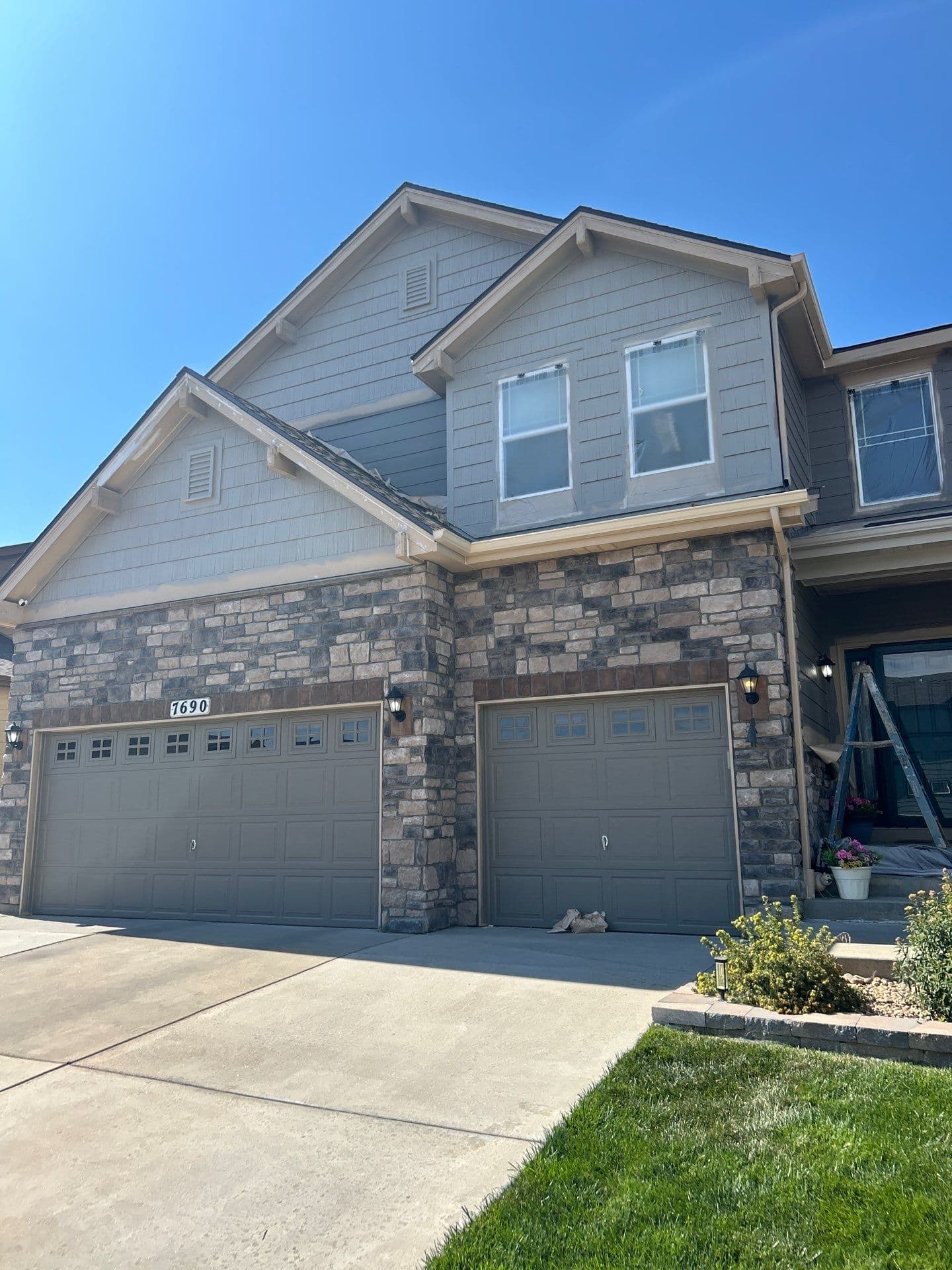
A two-story home in Littleton, CO, for example, may require additional staging or safety gear due to sloped terrain or multi-level decks. Reputable contractors like Helix Painting factor these conditions into their pricing to ensure both safety and quality.
Weather conditions in Colorado further affect scheduling and costs. When humidity spikes or temperatures dip below 50°F, paint adhesion can fail—forcing rescheduling or added drying time.
Prep Work: The Hidden Budget Factor
Preparation is often the single biggest variable in painting cost. Exterior surfaces suffer from peeling, chalking, or mildew—problems that need correction before painting.
Typical prep work includes:
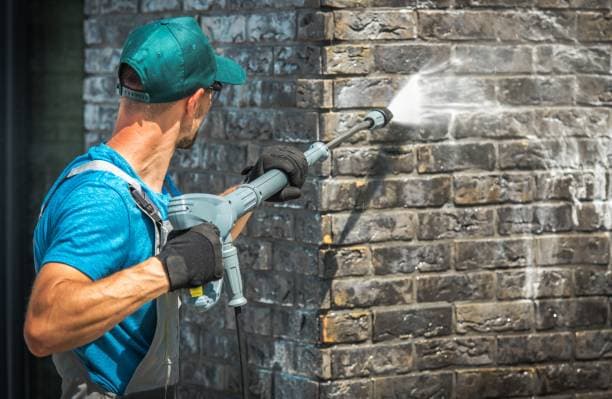
- Pressure washing to remove dirt and contaminants
- Sanding and scraping old paint
- Caulking gaps to seal moisture pathways
- Priming bare or repaired areas for adhesion
Skipping prep might cut your initial quote—but it shortens the paint’s lifespan by years. Interior prep, by contrast, typically involves patching holes, sanding walls, and taping off trim. It’s cleaner, faster, and less equipment-heavy.
When Interior Painting Costs More Than You Expect
While exteriors generally cost more, some interior projects rival or even exceed outdoor pricing. Why? Complexity.
- Luxury finishes like Venetian plaster, metallics, or limewash are extremely labor-intensive.
- Detailed trim and cabinetry require multiple coats and fine sanding between applications.
- Occupied or commercial spaces add labor time due to limited access or after-hours scheduling.
- Specialty products—zero-VOC, antimicrobial, or odor-control paints—raise material costs.
Example: Painting a 4,000-square-foot office interior using low-VOC, commercial-grade coatings may cost as much as repainting a home’s entire exterior.
Sometimes, a small job—like determining when one coat of paint is enough—can help you save by reducing unnecessary material use. Knowing when and where to simplify helps control overall painting cost without sacrificing quality.
How Paint Quantity and Coverage Influence Cost
Different surfaces absorb paint differently. Stucco, brick, and wood siding are porous, requiring more paint per square foot than interior drywall.
Premium coatings with higher solids content—like Sherwin-Williams Emerald®—deliver more coverage per gallon, offsetting their higher price with lower labor costs. The key is to choose paint systems designed for your surface and environment.
Environmental and Timing Factors
A. Weather Dependence
Exterior painting must happen in specific conditions—ideally 50–85°F with low humidity. Rain, frost, or extreme sunlight can delay or ruin a project. Each delay adds indirect labor hours, raising your final painting cost.
Interior projects, however, can run year-round. Many professional painters offer off-season discounts during winter months when exterior work slows down, helping homeowners manage costs more efficiently.
B. Climate-Specific Product Choices
In dry, high-altitude regions like Littleton, CO, exterior coatings need UV blockers and flexible binders to prevent cracking from temperature fluctuations. Interior products, meanwhile, must handle static dryness and indoor air circulation.
Professional painters at Helix Painting specify paint systems optimized for local conditions—protecting both your finish and your investment.
What’s Included in a Professional Painting Service
Understanding what you’re paying for helps demystify painting cost estimates.
Exterior Painting Services Include:
- Power washing and mildew treatment
- Surface sanding and priming
- Caulking and sealant application
- Application of two protective coats
- Trim, fascia, and door finishing
Interior Painting Services Include:
- Furniture protection and floor covering
- Drywall patching and surface prep
- Spot priming and two finish coats
- Optional textures or accent walls
Every step matters. Skipping prep or primer might save short-term dollars but leads to premature peeling or fading—effectively doubling your future painting cost.
How to Keep Painting Costs Under Control
Keeping your painting cost reasonable doesn’t mean cutting corners—it means smart planning.
- Bundle projects – Combine interior and exterior painting to reduce setup time and mobilization fees.
- Select quality mid-tier paints – They balance longevity and budget.
- Schedule smartly – Book during off-peak seasons for possible savings.
- Request detailed quotes – Ensure materials, prep, and labor are itemized.
- Hire professional painters – Helix Painting’s crews use precision methods and premium coatings for lasting performance.
Professional contractors ensure warranties stay valid, surfaces are prepped correctly, and paint systems are applied per manufacturer specs—all of which preserve your finish and protect your property investment.
Plan for Quality, Not Just Price
When comparing interior vs. exterior painting, remember: price reflects protection.Exterior painting may cost more upfront, but it shields your home from the elements, extends surface lifespan, and elevates curb appeal. Interior painting, though less expensive, offers comfort, atmosphere, and daily enjoyment.
Ultimately, your painting cost should align with your goals—durability, aesthetics, and value.
With exterior house painting services from Helix Painting, you get transparency, precision, and professional-grade coatings built for the unique climate of Littleton, CO.
From accurate estimates to warranty-backed results, we make sure your investment lasts—beautifully, and for years to come.